
Video model
MiniMax H3
MiniMax H3 animates a reference image into video with a native stereo soundtrack — 768P or 2K, 4-15 seconds, per-second credits shown before you generate.
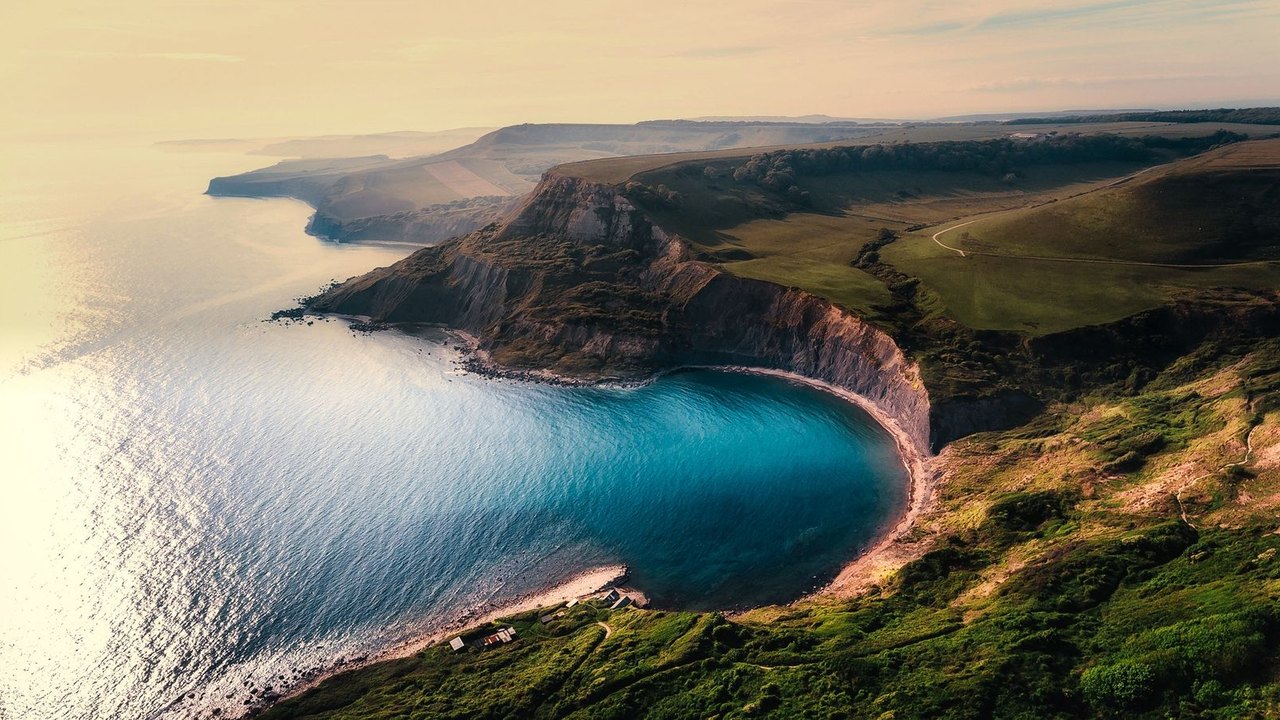
Internal MediaMuse sample · generated with MiniMax H3 · motion prompt: “Gentle forward drone drift, water shimmer, clouds moving slowly, landscape unchanged”
Specifications
- Scene
- Image to Video
- Aspect ratios
- 21:9 · 16:9 · 4:3 · 1:1 · 3:4 · 9:16 · 9:21
- Resolutions
- 768P · 2K
- Clips per run
- 1
- Credits per second
- 65
What MiniMax H3 does not do
- Silent output
- The stereo audio track renders with the video and cannot be turned off; need-silent footage should use Kling 3.0.
- Resolutions between 768P and 2K
- There is no 1080p tier; output is 768P or 2K only.
- Text-to-video from a blank prompt box
- H3 in MediaMuse is image-to-video: one reference image (first or last frame) is required.
MiniMax H3
MiniMax H3 is an image-to-video model: give it one reference image and a prompt, and it animates the frame with cinematic camera work and motion. It renders at 768P or 2K and supports 4-15 second clips (5, 6, and 10 seconds in MediaMuse), and every output ships with a native stereo soundtrack — dialogue, music, and sound effects you can direct from the prompt, something Kling 3.0 does not offer. The audio is part of the render and cannot be turned off.
Pricing stays transparent: H3 bills per output second, and the composer shows the exact credit estimate before you generate — 8 credits per second at 768P, 13 per second at 2K, with no extra fee for the input image (Kie bills the first frame at zero, verified live). Finished clips land in your History and Assets automatically.